Millwright vs. Machinery Mover: What's the Difference?
Millwright and machinery mover are often used interchangeably, but they describe different work on an industrial project. Understanding the difference helps you scope a project correctly and avoid expecting one trade to do work that belongs to the other. This guide compares the two roles, where they overlap, and when a project needs both.
What a Machinery Mover Does
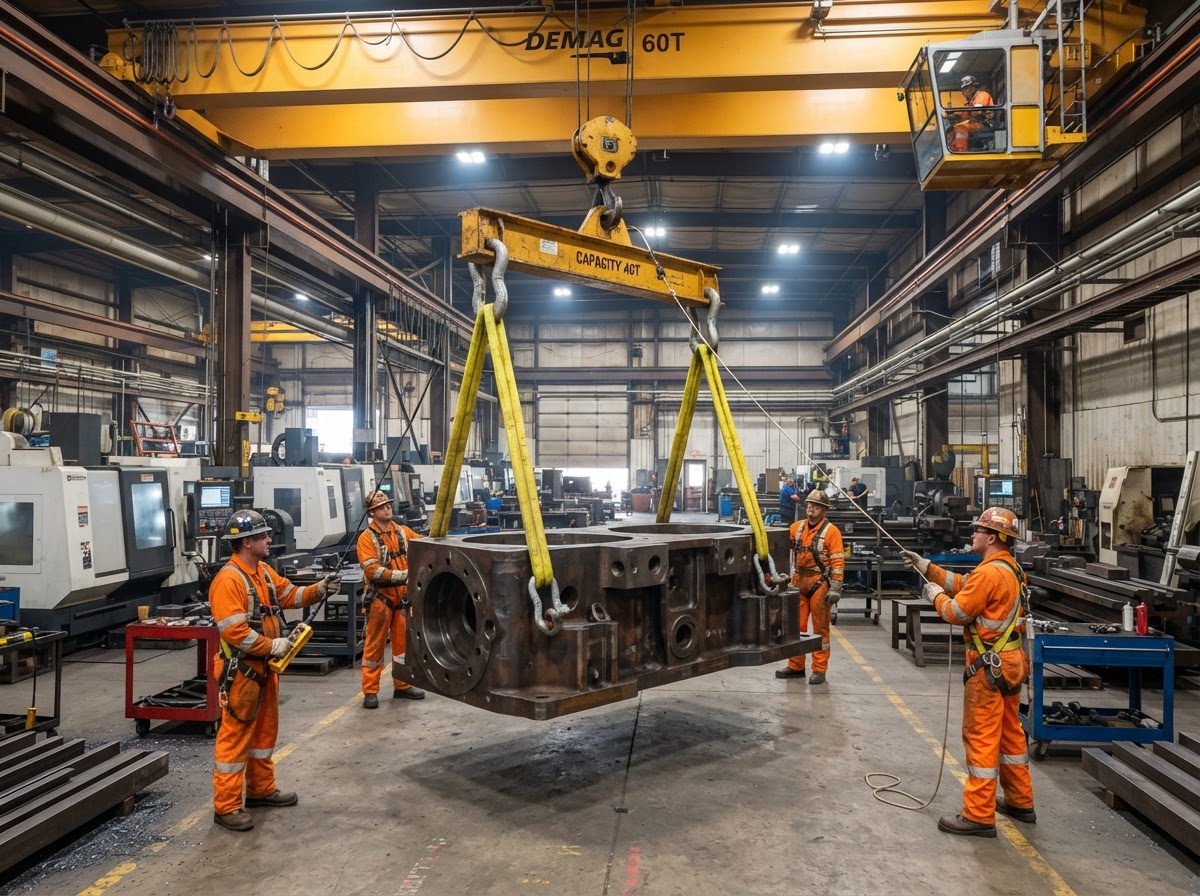
A machinery mover transports and positions industrial equipment. The work is about getting a machine from its current location to its destination — internally within a facility or between facilities — using the handling methods suited to the load and the access.
Machinery moving covers disconnecting and preparing the machine, moving it along the planned route, protecting the floor and adjacent equipment, and placing it at its destination. It is fundamentally a handling and transportation discipline.
What a Millwright Does
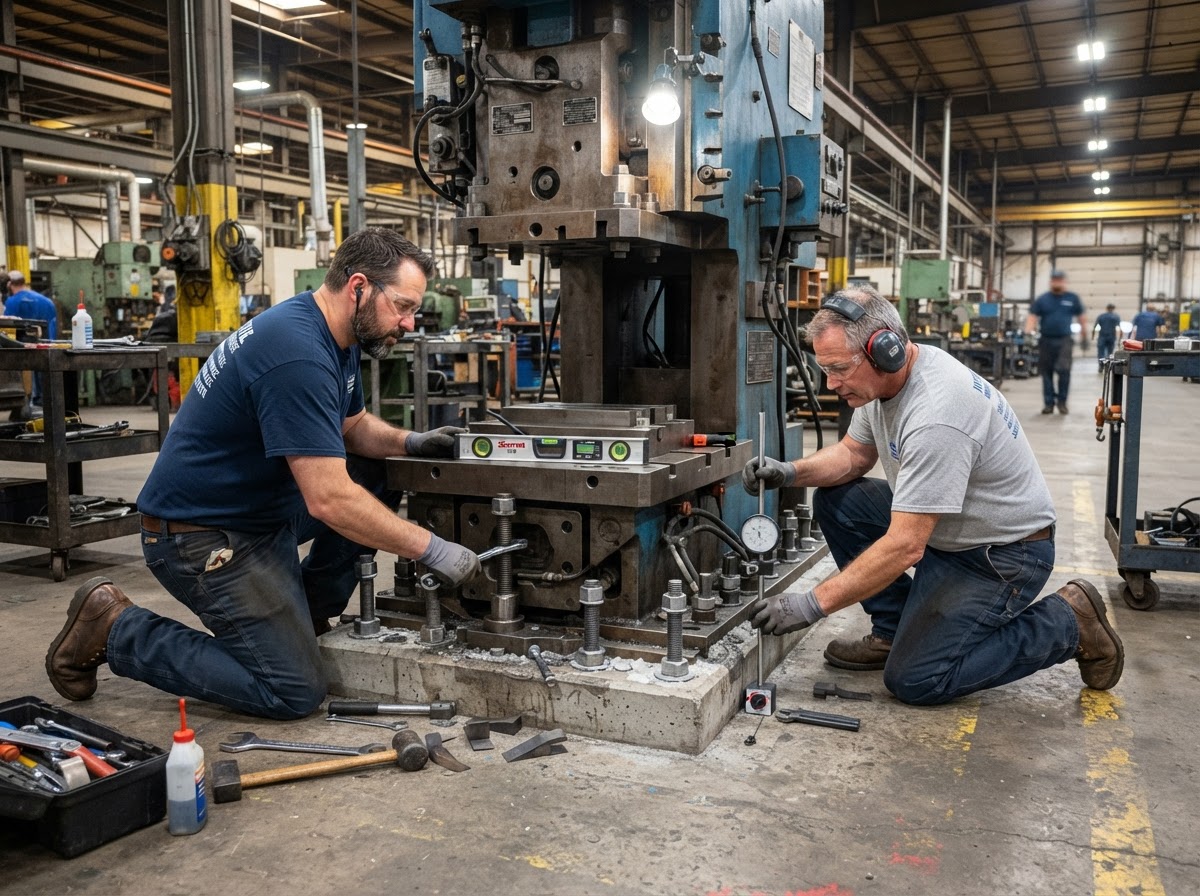
A millwright installs, aligns, levels, anchors, and mechanically assembles machinery so it runs correctly in place. Where the mover brings the machine to its location, the millwright brings it into service — levelling it to specification, anchoring it to its foundation, and completing the mechanical assembly.
Millwright work is what determines whether installed machinery performs to specification. For precision equipment, alignment and levelling are not optional steps; they are the point of the installation.
Where the Two Roles Overlap
On a real project the roles meet at placement. The mover positions the machine in its final location; the millwright takes over to level, align, anchor, and assemble it. Planning both together means the move leaves the machine ready for installation, not just set down in roughly the right spot.
The overlap is also why a single coordinated scope often works better than hiring the trades separately. When moving, rigging, and millwright work are planned as one sequence, the hand-offs where projects slip are reduced.
When You Need Both
Most machinery installations and relocations need both roles. A machine that is moved but not installed is not in service; a machine that is installed but moved carelessly may be damaged before installation begins.
- ▸New equipment installation — mover delivers and positions, millwright installs.
- ▸Machinery replacement — old machine removed, new machine moved in and installed.
- ▸Plant relocation — equipment moved and re-installed at the destination.
- ▸Production-line reconfiguration — machines repositioned and re-aligned.
Choosing the Right Scope
If you only need a machine moved and placed, machinery moving may be enough. If the machine has to run accurately after the move, millwright services — alignment, levelling, anchoring — are part of the project. The right scope is confirmed around the equipment and the outcome you need.
Common Questions About This Topic
Discuss Your Equipment Project
Ready to scope a machinery move, installation, or relocation? Start with a direct conversation.