What Is Industrial Rigging and When Is It Required?
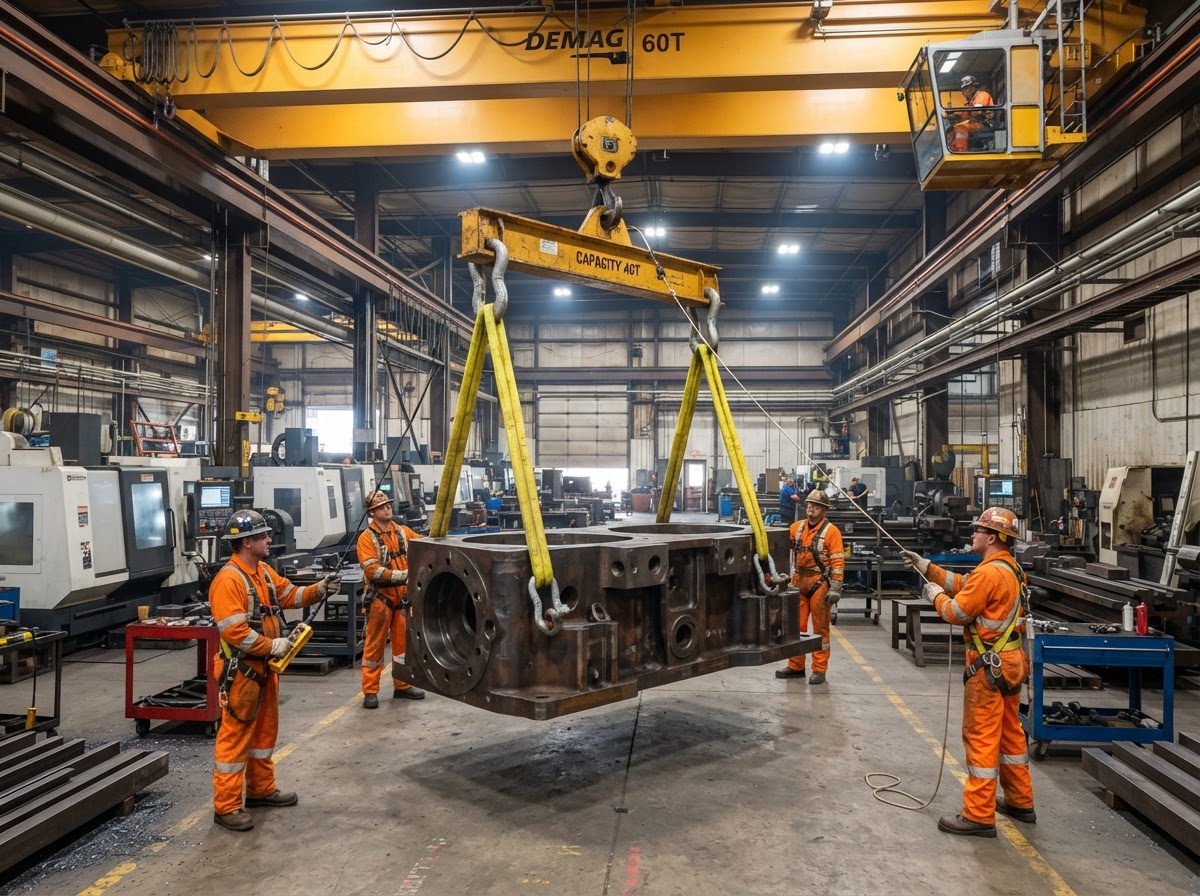
Industrial rigging is the lifting, hoisting, and positioning of heavy or awkward equipment using slings, beams, hoists, and lifting gear. It is the discipline that takes over when a load cannot be moved on rollers or skates alone — because it is too heavy, too tall, off-balance, or constrained by the clearances around it. This guide explains what industrial rigging is and when a project requires it.
What Industrial Rigging Means
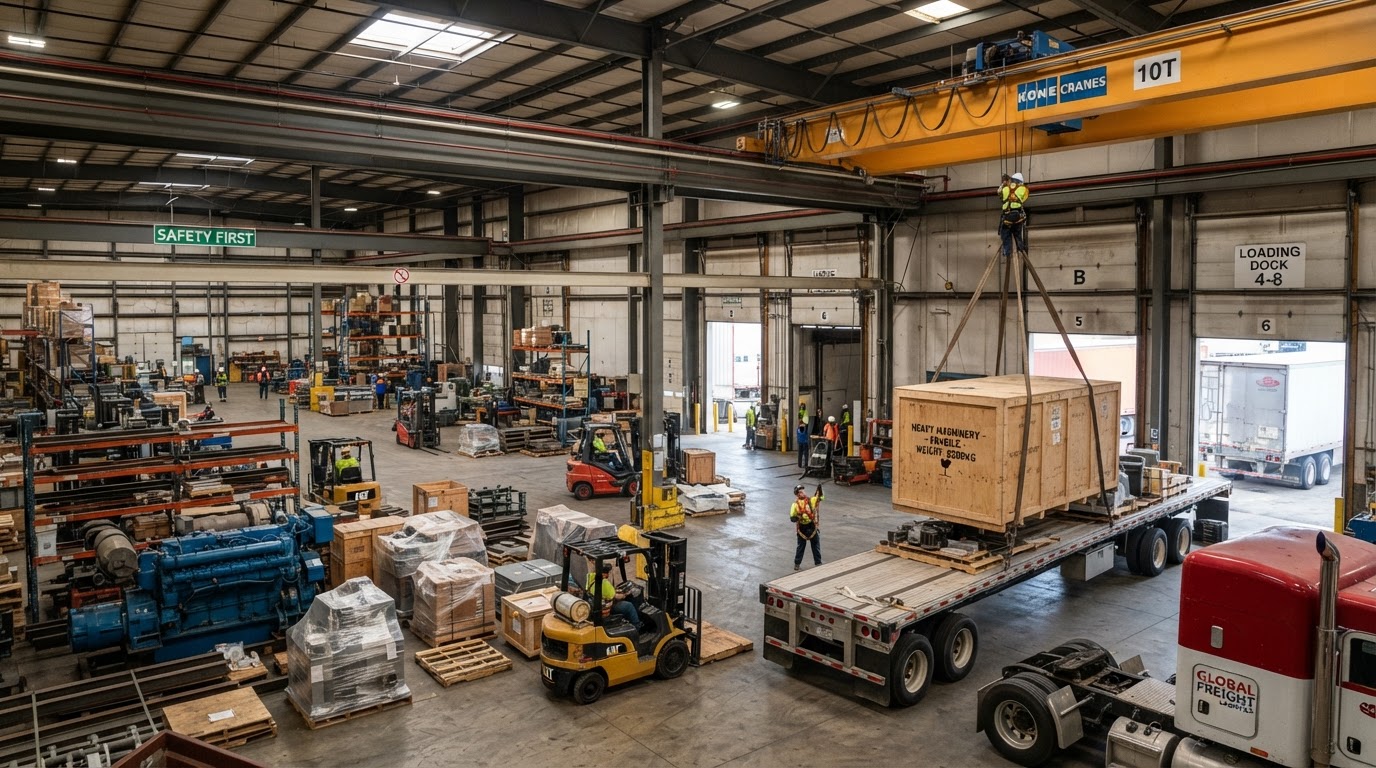
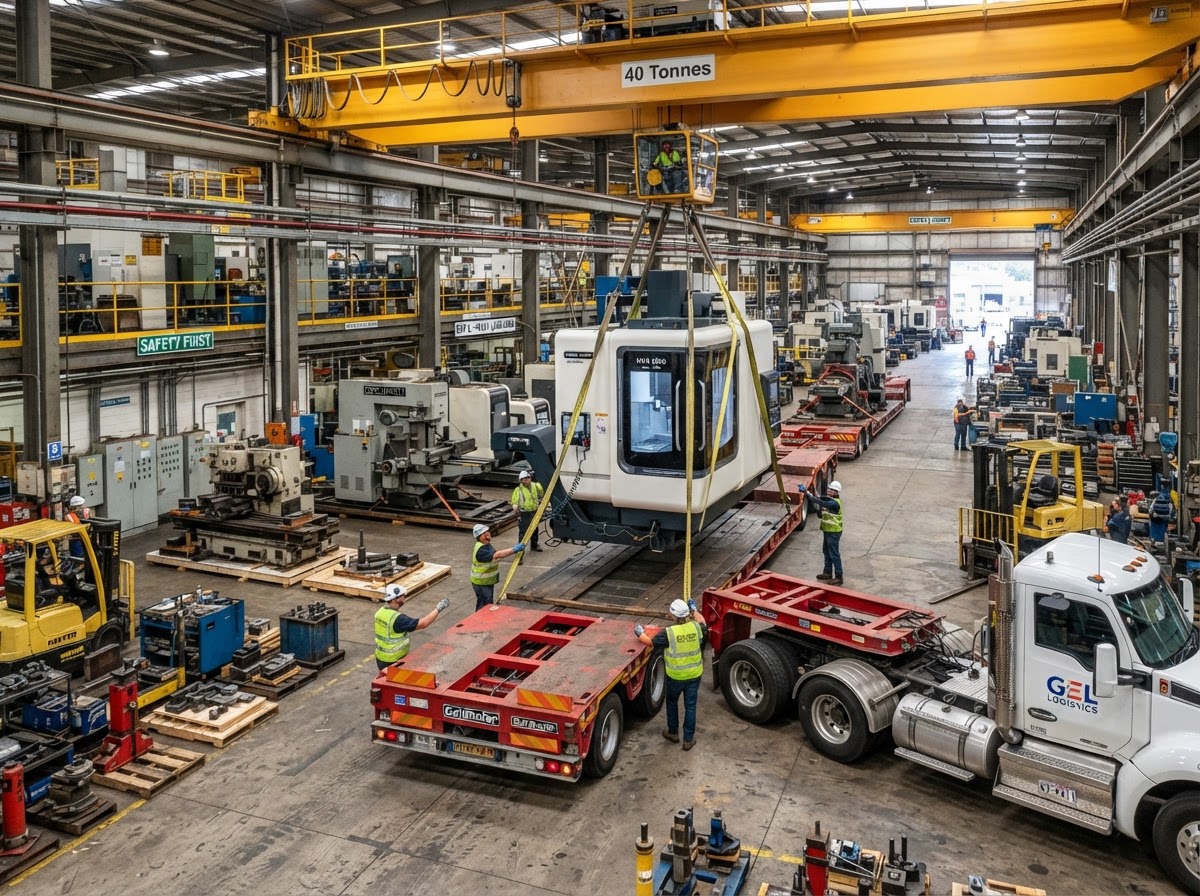
Rigging is about controlled lifting. Where machinery moving handles equipment along a floor, rigging handles it through the air — hoisting a machine over an obstacle, lifting it onto or off a foundation, or positioning a load that cannot be rolled into place.
The work depends on the load's weight, shape, and centre of gravity, the lifting points available on the equipment, and the clearances around it. Those factors determine the sling configuration, the lifting gear, and the method used.
When Rigging Is Required
Rigging becomes necessary when the conditions of the move exceed what floor handling can do safely. Common situations include:
- ▸Equipment too heavy for skates or rollers alone.
- ▸Loads that must be lifted over obstacles or into tight clearances.
- ▸Machinery being lifted onto or off a foundation or pad.
- ▸Tall or top-heavy equipment that cannot be moved on its base.
- ▸Loads with limited or awkward lifting points.
- ▸Placement where there is no floor path to the destination.
Lift Planning and Load Considerations
A rigging project is planned from the load. The weight, dimensions, centre of gravity, and lifting points on the equipment all shape the lift. So do the clearances — overhead height, the space around the lift, and any obstacles in the path of the load.
Planning the lift before starting is what keeps it controlled. The sling configuration, lifting gear, and method are selected to suit the load and the site, not applied as a default.
Site Conditions That Shape a Rigging Project
The site matters as much as the load. Rigging planning accounts for:
- ▸Overhead clearances and any lines, lights, or structures in the lift path.
- ▸Floor load ratings where lifting gear or the load itself bears on the floor.
- ▸Access for the lifting equipment to reach the load.
- ▸Space around the load to rig and control the lift.
- ▸Adjacent equipment or production that could be affected.
How Rigging Fits a Machinery Project
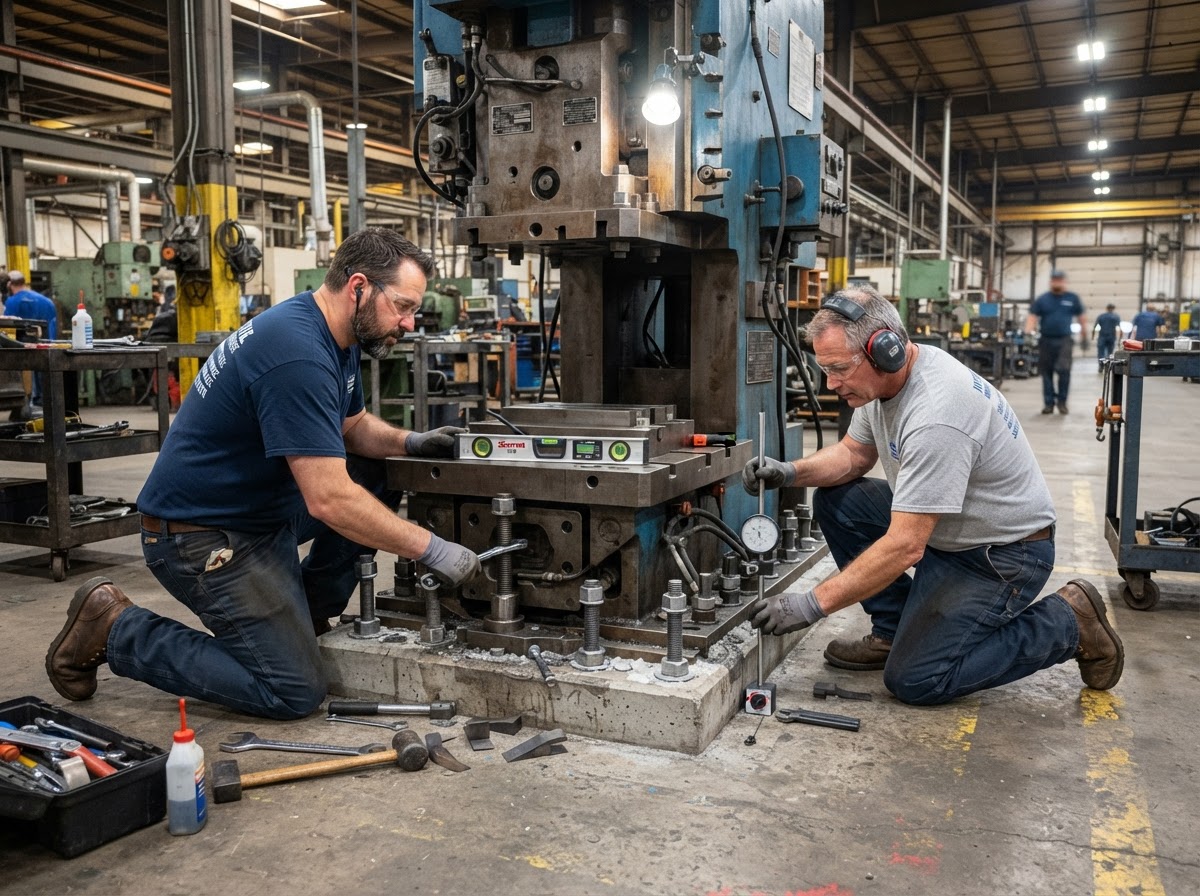
Rigging often sits alongside machinery moving and millwright work on the same project. A machine may be rigged out of its location, moved, and rigged into its destination, then installed and aligned. Planning those stages together keeps the lift, the move, and the installation coordinated rather than handled as separate problems.
Common Questions About This Topic
Discuss Your Equipment Project
Ready to scope a machinery move, installation, or relocation? Start with a direct conversation.