What Does It Cost to Move Industrial Machinery?
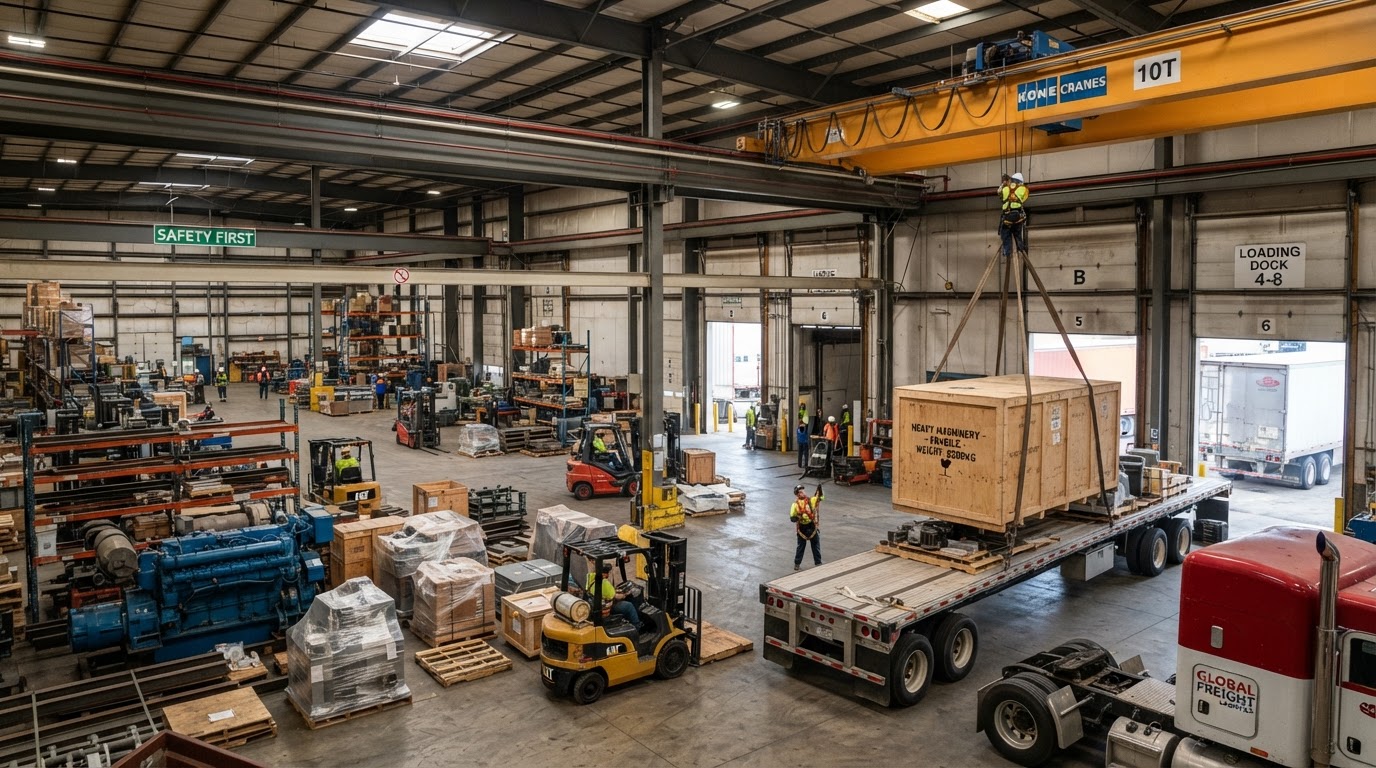
There is no standard price for moving industrial machinery, and any fixed number quoted without understanding the job is almost certainly wrong. The cost of an industrial move is driven by the equipment, the access, the distance, and the coordination required to complete it safely. This guide explains the factors that shape a machinery moving quote so you can scope your project accurately and compare estimates on equal terms.
Why Industrial Move Quotes Are Project-Specific
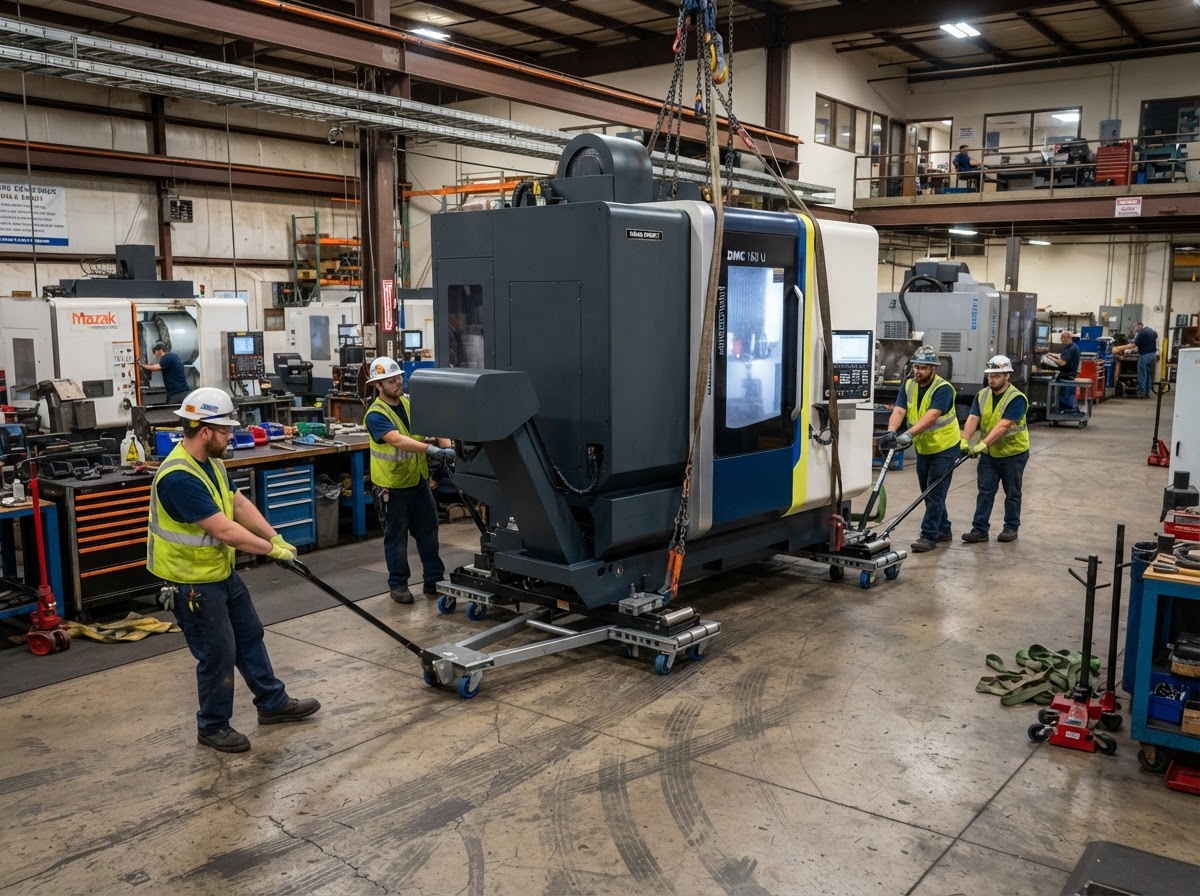
Two machines that look similar on paper can be very different projects. A 4,000 kg CNC centre sitting in a wide-open bay with a dock door is a different move from the same machine three floors in, behind a narrow aisle, with production running on either side. The conditions on site — not just the weight — determine the labour, equipment, and time the move requires.
Because of that, a responsible mover quotes from the job, not from a rate card. The factors below are what a project-specific quote is built from.
The Factors That Drive Machinery Moving Cost
Most industrial move costs come from a combination of the following. Each one changes the resources and time required on site.
- ▸Equipment weight, dimensions, and sensitivity to shock or tilt.
- ▸Internal access — door heights, aisle widths, turning radii, and overhead clearances.
- ▸Floor conditions and the protection required for coatings, trenches, or adjacent equipment.
- ▸Distance and whether the move is internal, between buildings, or between facilities.
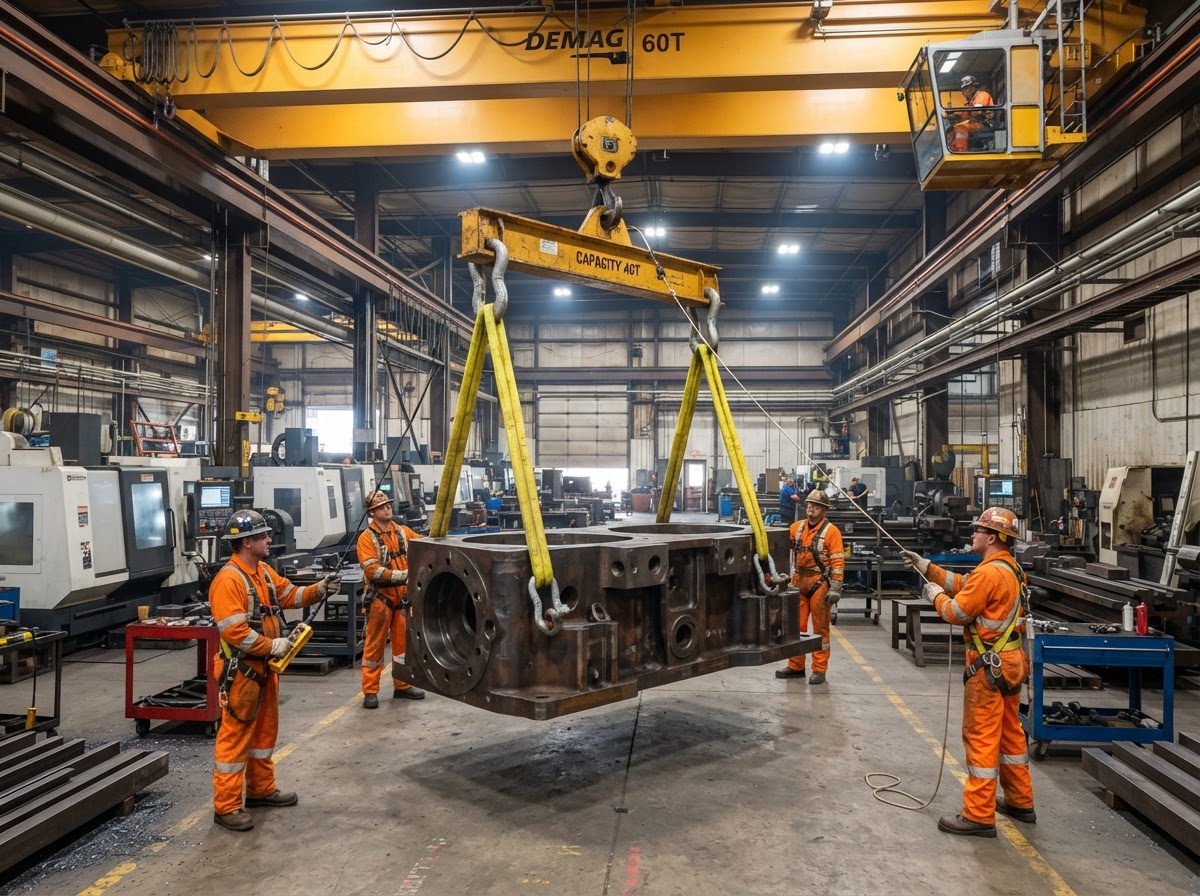
- ▸Rigging requirements for heavy, tall, or awkward lifts.
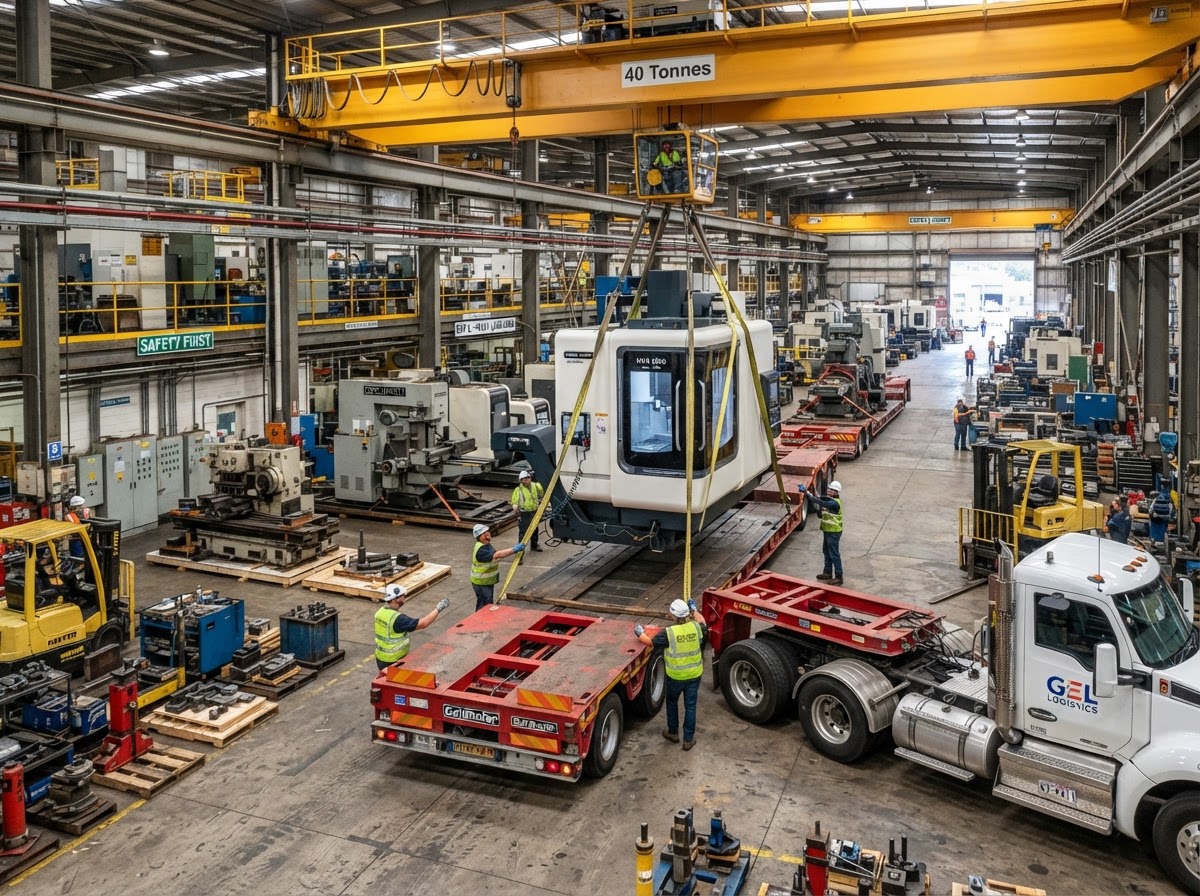
- ▸Transportation — trailer configuration, permits, and route restrictions for oversize loads.
- ▸Disconnection, preparation, and reconnection scope where included.
- ▸Crating, storage, or staging if the project requires intermediate handling.
How Scheduling Affects Price
When the work happens changes what it costs. Moves coordinated during evening, weekend, or shutdown windows may carry different labour and coordination considerations than weekday daytime work. For active facilities, scheduling around production is often necessary, and the window available can limit how the move is sequenced.
Shorter notice can also affect cost, because it compresses the planning and equipment-availability window. The earlier a project is scoped, the more options there are for handling it efficiently.
What Is Usually Not Included Unless Confirmed
Be clear about scope boundaries, because they change both the cost and the outcome. The following are commonly separate from a machinery move and should be confirmed explicitly:
- ▸Electrical disconnection and reconnection by a licensed electrician.
- ▸Utility disconnections — air, water, gas, or process lines.
- ▸Precision alignment, levelling, anchoring, and commissioning.
- ▸Permits, escorts, or route surveys for oversize transportation.
- ▸Foundation preparation or anchoring work at the destination.
How to Get an Accurate Quote
The most accurate quotes come from complete information. To help a mover scope the job properly, gather:
- Equipment make, model, and weight.
- Overall dimensions (length, width, height).
- Current location and intended destination.
- Photographs of the machine and the movement path.
- Door and overhead clearances along the route.
- Floor type and any known load restrictions.
- Desired timing or shutdown window.
- Any disconnection or installation work to include.
Common Questions About This Topic
Discuss Your Equipment Project
Ready to scope a machinery move, installation, or relocation? Start with a direct conversation.